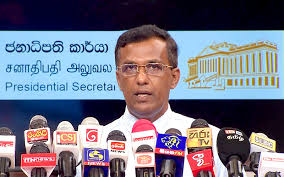


Colombo, Sri Lanka – The Criminal Investigation Department (CID) in Sri Lanka has arrested former President Ranil Wickremesinghe on Friday on allegations of misusing state funds. This is the first time a former Sri Lankan head of state has been taken into custody.
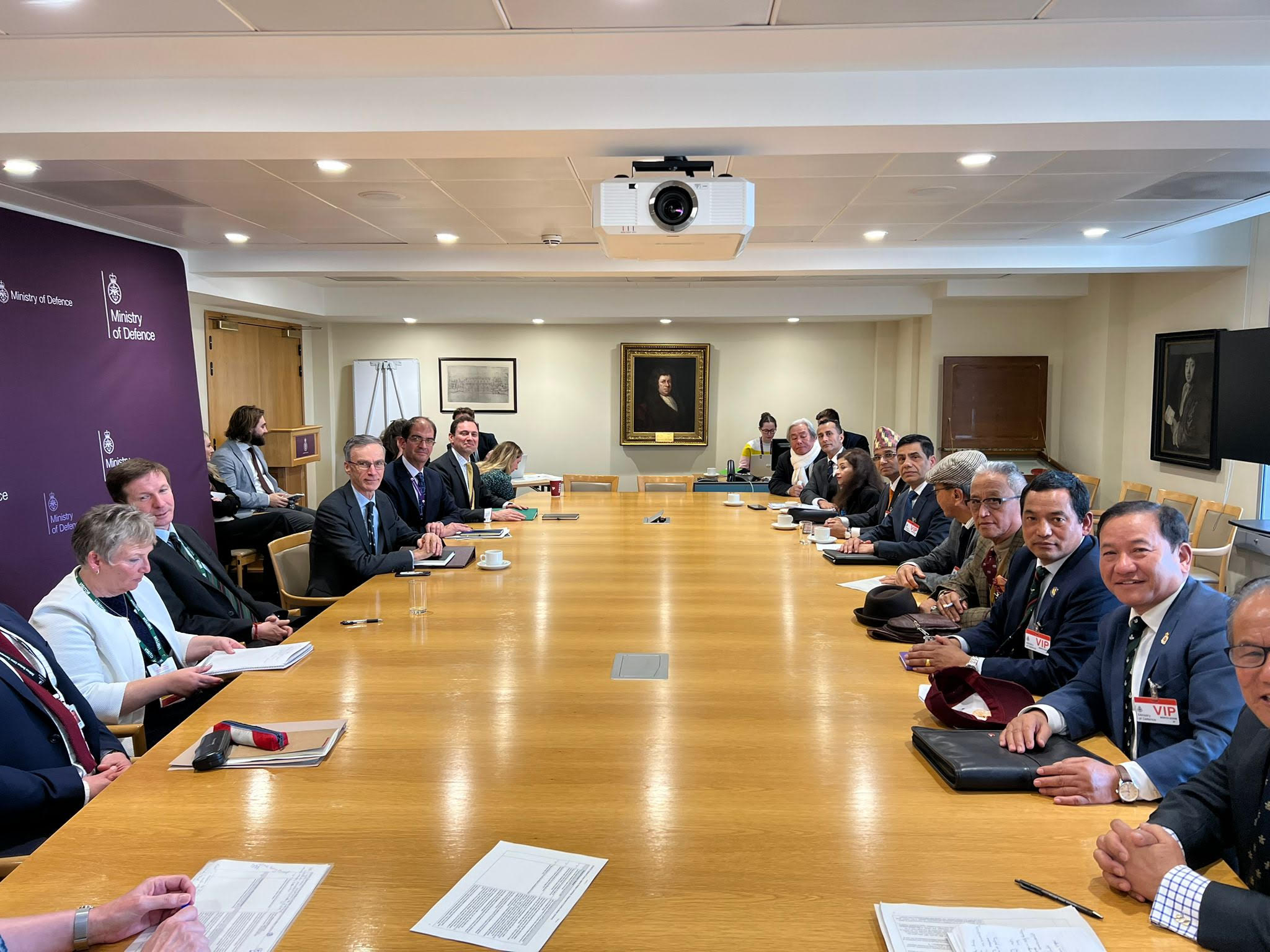
The investigation centres on a trip Wickremesinghe made to London in September 2023. While he was serving as President, he attended a graduation ceremony for his wife, Professor Maithree Wickremesinghe, at the University of Wolverhampton. Though the former President has denied the charges and insists that his wife bore her own costs, investigators allege that government money was improperly used to cover his travel and security expenses.
Wickremesinghe, aged 76, was taken into custody after providing a statement that lasted more than four hours. He was then produced before the Fort Magistrate’s Court in Colombo for legal proceedings.
Wickremesinghe, who served as President from July 2022 to September 2024, assumed the role after his predecessor, Gotabaya Rajapaksa, resigned amid the country’s severe economic crisis. He is widely credited with helping Sri Lanka secure a $2.9 billion bailout from the International Monetary Fund (IMF) during his tenure.
Home
Bangladesh General Elections Set for February 2026, CEC Faces Trust Deficit Challenge
RANGPUR, Bangladesh — Chief Election Commissioner (CEC) AMM Nasir Uddin announced Saturday that Bangladesh’s next general elections will be held in the first week of February 2026, but warned that restoring public trust in the electoral process remains a key challenge.
Speaking at an event in Rangpur, Uddin said the exact date would be revealed two months before the schedule is announced. He acknowledged that citizens had lost confidence in the election system, the Election Commission, and the administrative machinery, but stressed his office was working to regain this trust.
The CEC’s remarks came days after interim government Chief Adviser Muhammad Yunus confirmed February 2026 as the election month, marking one year since Sheikh Hasina’s Awami League was ousted on August 5, 2024.
Uddin assured that law and order is stable and would be further strengthened to ensure peaceful, fear-free voting.
Meanwhile, the Bangladesh Nationalist Party (BNP), now the largest party in Awami League’s absence, will contest the polls with its 12-party alliance, excluding former key ally Jamaat-e-Islami. Analysts say the move aims to project a more centrist image.
The election will be the first since student-led protests toppled Hasina’s government last year.
Nepal PM call for global partnership to tackle disaster risks
Turkmenistan, Aug 6: Nepal Prime Minister KP Sharma Oli has emphasized the need to enhance global cooperation and partnership to address the challenges arising from climate change.
Speaking at a session on “Enhancing Adaptation Capacity and Resilience to Disasters Caused by Climate Change in Landlocked Developing Countries (LLDCs)” held today during the Third United Nations Conference on LLDCs, Prime Minister Oli highlighted that although Nepal’s contribution to carbon emissions is negligible, the country is still immoderately suffering from the adverse impacts of climate change.
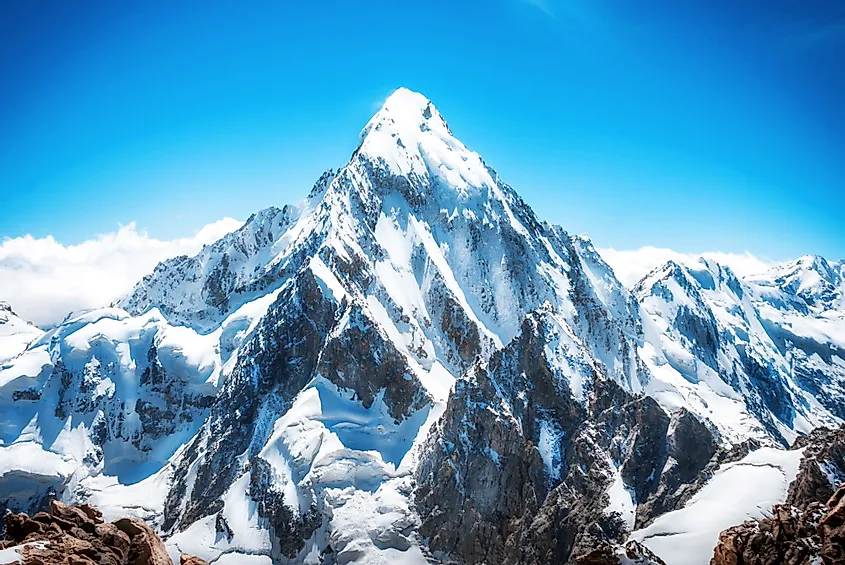
Prime Minister Oli urged for coordinated efforts to face the challenges impeding sustainable development, reminding that the melting of Himalayan ranges in Nepal poses both human and physical risks.
It is the reason the ‘Sagarmatha Sambad’ was organized with the concept of protecting the mountains and the seas in the context of climate change, the PM noted.
He emphatically shared Nepal’s long-term preparation with adaptation strategy to mitigate climate risks. “it is necessary for foreign development partners to lend support in its implementation”, he added.
Pointing out that the melting of the mountains is contributing to rising sea level, he called on the global community to create an integrated climate adaptation action plan from the mountains to the sea.
“Since the Himalayas are a natural water recharge system, a global collaborative effort is essential to prevent the melting of glaciers and the rise in ocean temperatures,” the Prime Minister said, adding, “We have no option but to accelerate global collaborative efforts to achieve sustainable development goals through coordinated and integrated efforts. Nepal will provide appropriate cooperation in this regard.(RSS)
Popular Nepali band Nepathya Set to Return to Wembley Arena After 12 Years
London— Twelve years after their historic performance, legendary Nepali folk-rock band Nepathya is set to return to London’s OVO Arena Wembley on August 9, 2025, for another milestone concert. The event, organised by BSK Entertainmentand Parcha Production, has already sold over 7,000 tickets.
Nepathya made headlines in 2013 when they became the first Nepali band to perform at Wembley, captivating a crowd of over 7,000. The upcoming show will feature a 14-member team from Nepal, including frontman Amrit Gurung and musicians Dhruva Lama, Subin Shakya, Niraj Gurung, Shanti Rayamajhi, and Dinesh Raj Regmi.
Known for blending traditional Nepali folk melodies with pop and rock, Nepathya has become a cultural icon over the last 25 years. Their music reflects Nepal’s history, resilience, and hope.
For ticket entry, fans must use the OVO Arena Wembley or AXS app. Only AXS Official Resale is authorised for ticket reselling.
Note: No under-14s in standing areas; 14–15-year-olds must be accompanied by an adult.
Applications Open for Chevening South Asia Journalism Fellowship 2026-2027
Applications are now open for the Chevening South Asia Journalism Fellowship (SAJP) 2026-2027, with a deadline of 7 October 2025. Funded by the UK Foreign, Commonwealth and Development Office, this prestigious eight-week programme is hosted by the University of Westminster and targets mid-career journalists from Afghanistan, Bangladesh, India, Pakistan, Sri Lanka, and the Maldives.
The fellowship, titled “Good Governance in a Changing World: the Media, Politics and Society,” offers a deep dive into media’s role in democratic accountability. Fellows will engage in lectures, discussions, and field visits, and meet leading UK academics, journalists, and policymakers.
The award covers full programme fees, return airfare, and living expenses. Applicants must have at least seven years of experience, a postgraduate qualification or equivalent, and work in political or economic journalism.
Applications close on 7 October 2025 at 12:00 (UTC).
[Click here to apply]https://asams.chevening.org/apply
US Raises 50% tariff on India Over Russian Oil Trade
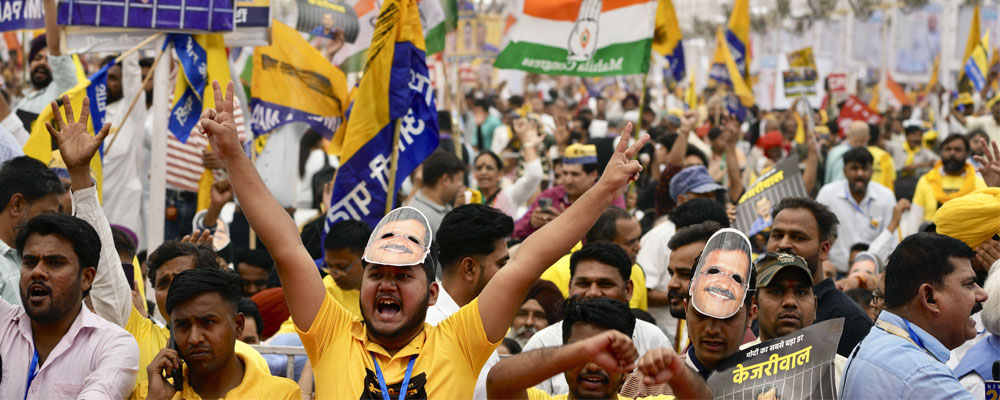
In a dramatic move, US President Donald Trump has imposed an additional 25% tariff on Indian goods in response to New Delhi’s continued imports of Russian oil. This brings the total tariff on Indian exports to the US to a steep 50%—one of the highest rates ever levied by Washington. The new tariff will take effect on 27 August.
India’s foreign ministry swiftly condemned the decision, calling it “unfair, unjustified and unreasonable,” and warned that it would take “all necessary actions” to safeguard its national interests. India maintains that its energy purchases are in line with national priorities, noting that traditional oil supplies were diverted to Europe at the start of the Ukraine conflict.
The White House defended the move, arguing that India’s actions undermine efforts to isolate Russia over its war in Ukraine, which it called “an ongoing threat to US national security.” President Trump had earlier criticized India’s stance, accusing it of indifference to the war’s human cost.
Despite previously warm ties between Trump and Indian Prime Minister Narendra Modi, the tariffs highlight growing tensions. Analysts warn this could signal broader sanctions for other nations continuing energy ties with Moscow.
Dr. Guru Kumaran Swami to Attend Dashamahavidya Rudra Havan Mahayagya
A. Adhikari, Kathmandu, Shrawan 18 :- Visionary spiritual leader, entrepreneur, philanthropist, and cultural reformer Dr. Guru Kumaran Swami is arriving in Nepal to participate in the Dashamahavidya Rudra Havan Mahayagya being held at the Pashupatinath Temple premises.
Renowned religious activist and international saint Kalibaba, also known as Shree Shree 1008 Swami Mahamandaleshwar Krishnananda Paramhansa Kalidas Baba, has envisioned and initiated this sacred Mahayagya. Dr. Guru Kumaran Swami will be arriving in Kathmandu on Sunday to join the ceremony.
He is visiting Nepal at the invitation of Dr. Milankumar Thapa, the chief advisor and coordinator of the Dashamahavidya Rudra Havan Mahayagya. Dr. Thapa stated, “Dr. Guru Kumaran Swami has been invited to this grand Yagya organized to uphold and enrich Sanatan Dharma, and to promote peace, prosperity, transformation, and economic strengthening of Nepal.”
Kalibaba expressed that this Mahayagya has been undertaken with the resolve to inspire efforts for Nepal’s progress, economic and social transformation, and the overall welfare of its citizens.
Dr. Gurujee Kumaran Swami: Torchbearer of Sanatan Dharma worldwide
Dr. Gurujee Kumaran Swami is an internationally revered personality who embodies the fusion of spirituality and strategic leadership. With a legacy grounded in the values of Sanatan Dharma, he has emerged as a transformative figure in both spiritual and economic spheres. He is renowned for initiating humanitarian missions, enabling cutting-edge technological investments, and fostering peace and harmony across the world.
Whether establishing temples overseas, producing films that spark social change, or leading billion-dollar investment projects, Dr. Gurujee Kumaran Swami has consistently demonstrated his commitment to the betterment of humanity. His presence commands respect not just in religious and spiritual circles, but also in corporate boardrooms, international investment forums, and humanitarian organizations.
With the sole intention of spreading spirituality globally and promoting Sanatan Dharma, Dr. Gurujee founded the Divine Dham in Cambodia, hailed as the fifth Dham. More than just a temple, the Dham is a beacon of peace, devotion and cultural harmony, and stands as a symbol of India’s timeless spiritual heritage on foreign soil.
Dr. Gurujee visited Bahrain to present the annual Bharat Gaurav (Pride of India) Awards honoring excellence in Bahrain. During his visit, Guruji praised Bahrain’s spirit of coexistence and cultural diversity, saying, “Humanity is our religion and we live different but humanity is what unites us.”
During this event, Gurujee highlighted the work of his World Peace & Adhyatma Jyotish Trust (WPAJT), which serves vulnerable communities by feeding the hungry and supporting the elderly. The event was also attended by Indian celebrities, adding to its cultural significance.
Personal Philosophy and Worldview
Dr. Gurujee Kumaran Swami believes that true leadership must arise from a balance of spiritual clarity and strategic action. He upholds the principle that dharma (righteousness), when applied through innovation and entrepreneurship, can solve the world’s most pressing problems. His holistic vision integrates human welfare, cultural preservation, environmental consciousness, and economic development.
He encourages individuals and institutions alike to adopt a mindset of service, compassion, and sustainability. Through his speeches, writings, and initiatives, Dr. Swami continues to inspire a new generation of changemakers across the globe.
Key Achievements of Dr. Gurujee Kumaran Swami
Guruji has built India’s tallest tower project in Mumbai with his guidance. He guided the development of a 110-floor multi-use skyscraper in the Parel-Sewri region of Mumbai. This architectural marvel will not only transform the city’s skyline but also position Mumbai as a global icon of modern infrastructure.
Additionally, during the COVID-19 period, Dr. Gurujee responded through WALLETZ4U PPE production. During the pandemic, he led a 100 crore investment through SRAM & MRAM Group to manufacture high-quality PPE kits under the WALLETZ4U brand. This initiative made a significant contribution to national and global public health efforts.
His economic foresight extends into sustainable energy. By facilitating a major coal supply joint venture between SRAM & MRAM Group and Energi Alam BORNEO, he is paving the way for efficient and sustainable energy distribution globally.
Authorship and Intellectual Contributions
Dr. Swami is an accomplished author who has written extensively on subjects relating to spirituality, Indian culture, human values, and societal transformation. His books are widely read by spiritual seekers, social thinkers, and academicians.
Some of his notable literary works include Bharatvarsh: Adhyatma se Vigyan ki Ore, a philosophical work bridging spirituality with modern science, Sanskriti Ki Awaaz, a reflection on the voice and value of Indian cultural heritage, Jeena Sikhayo, a guide to conscious and righteous living, Pankhe Ki Raashi, a spiritual metaphor on inner balance and cosmic alignment, Sindoor, a culturally significant narrative on tradition and identity, and Manav aur Manavadhikar, a bold exploration of human rights from a spiritual perspective. His writings contribute to the growing dialogue between Eastern spirituality and global humanism.
Spiritual Leadership and Cultural Preservation
Dr. Guruji is the ardent promoter of Sanatan Dharma and has spearheaded the spread of Vedic knowledge and rituals beyond India. A recent example is the establishment of a Hindu shrine in Cambodia.
Being the founder of the World Peace & Adhyatma Jyotish Trust, he channels over 1.23 crore annually for nationwide food distribution and welfare initiatives. His 44,000 sq. ft. old age home in Mumbai offers not just shelter, but also emotional, spiritual, and medical support to senior citizens. Each initiative he undertakes, whether it’s food distribution or film production for social change, reflects his mission to uplift society through compassion and consciousness.
NEPAL FOODS takes home Great Taste 2025 for Chicken Momo and Nepali Beer
London – Nepal Foods’ products, Chicken Momo and Nepali Beer, have been awarded a Great Taste 1 Star in one of the world’s most trusted food and drink accreditation schemes.
London-based Brand which started its operation in 2018, Nepal Foods has been named among the top food and drink producers globally this year, picking up a highly prized 1-star Great Taste award for their Chicken Momo and Nepali Beer.
14,340 products were put through the competition’s rigorous blind judging process; and Chicken Momo was described by one of the judges as “authentic and reminded him of the momo he consumed in Nepal.” at the world’s most coveted food and drink awards. Similarly, Nepali Beer was described as refreshing and interestingly malt-led, the subtle bitterness and the gentle flavour was enjoyed by the judges. 3,899 products were awarded a Great Taste 1-star – ‘food and drink that delivers fantastic flavour’, 1,508 were awarded a Great Taste 2-star – ‘above and beyond delicious’, and 273 were awarded a Great Taste 3-star – ‘extraordinarily tasty food and drink’.
Momo was described as a neatly presented dumpling which has stayed intact on cooking. The aroma was inviting and delicious – of onion and a meaty roasted chicken stock, this Chicken Momo was a big hit with the Great Taste judges.
Bikash Nepal from Nepal Foods said, “Winning the great taste award for Chicken Momo and Nepali Beer in the UK is pivotal for elevating the global recognition. This is the second time we have won an award for our Chicken Momo. Momo is very popular and widely consumed in Nepal and is considered a staple meal after Dal Bhat. Momo deserves to be recognised and be celebrated worldwide within other communities, and winning this award will significantly enhance its visibility and be appreciated beyond Nepali community which has always been the aim of Nepal Foods. Additionally, our Nepali Beer was launched only in April 2024, within a short period of time, it has quickly gained popularity within Nepali and people from other communities, making this award a remarkable testament to its quality and appeal. Our Beer is available in Portugal, Japan, United Kingdom and other European countries. Together, winning the great taste award not only celebrates our rich culinary heritage but also fosters a greater appreciation for Nepali Culture among diverse audiences.”
What is Great Taste?
Recognised as a stamp of excellence and actively sought out by food lovers and retailers alike, the Great Taste accreditation scheme, organised by the Guild of Fine Food, values taste above all else. Each product in the line-up for judging is blind-tasted and all packaging is removed, so it cannot be identified, before entering a robust, layered judging process, a statement said.
This year, judging took place over 110 days, with a panel of more than 500 judges putting entries to the test. The line-up saw food and drink products submitted from an extraordinary 110 different countries across the world.
Now in its 32nd year, Great Taste is organised by the Guild of Fine Food. Every Great Taste award has a validity of three years, i.e. a Great Taste 2025 award will be valid, and may be displayed on a product, until the results are released for Great Taste 2028. All awards must always be displayed against the exact product for which they have been won.
The full list of winners over the last three years, and where to buy them can be found at www.gff.co.uk/directory and a wide range of the award-winning products are available to buy in delis, farm shops and independent retail outlets across the world. As well as Great Taste, the Guild of Fine Food organises the World Cheese Awards. The Guild also publishes industry leading magazines, Fine Food Digest, Good Cheese and the annual Great Taste Book. Other activities include Great Taste Markets, trade shows, and member led initiatives throughout the year.
China’s insertion into India-Pakistan waters dispute adds a further ripple in South Asia
Pintu Kumar Mahla, University of Arizona
With the future of a crucial water-sharing treaty between India and Pakistan up in the air, one outside party is looking on with keen interest: China.
For 65 years, the Indus Waters Treaty has seen the two South Asian rivals share access and use of the Indus Basin, a vast area covered by the Indus River and its tributaries that also stretches into Afghanistan and China.
For much of that history, there has been widespread praise for the agreement as a successful demonstration of cooperation between adversarial states over a key shared resource. But experts have noted the treaty has long held the potential for conflict. Drafters failed to factor in the effects of climate change, and the Himalayan glaciers that feed the rivers are now melting at record rates, ultimately putting at risk the long-term sustainability of water supply. Meanwhile, the ongoing conflict over Kashmir, where much of the basin is situated, puts cooperation at risk.
With treaty on ice, China steps in
That latest provocation threatening the treaty was a terrorist attack in the Indian union territory of Jammu and Kashmir on April 22, 2025. In response to that attack, which India blamed on Pakistan and precipitated a four-day confrontation, New Delhi temporarily suspended the treaty.
But even before that attack, India and Pakistan had been locked in negotiation over the future of the treaty – the status of which has been in the hands of international arbitrators since 2016. In the latest development, on June 27, 2025, the Permanent Court of Arbitration issued a supplementary award in favor of Pakistan, arguing that India’s holding of the treaty in abeyance did not affect its jurisdiction over the case. Moreover, the treaty does not allow for either party to unilaterally suspend the treaty, the ruling suggested.
Amid the wrangling over the treaty’s future, Pakistan has turned to China for diplomatic and strategic support. Such support was evident during the conflict that took place following April’s terrorist attack, during which Pakistan employed Chinese-made fighter jets and other military equipment against its neighbor.
Meanwhile, in an apparent move to counter India’s suspension of the treaty, China and Pakistan have ramped up construction of a major dam project that would provide water supply and electricity to parts of Pakistan.
So, why is China getting involved? In part, it reflects the strong relationship between Pakistan and China, developed over six decades.
But as an expert in hydro politics, I believe Beijing’s involvement raises concerns: China is not a neutral observer in the dispute. Rather, Beijing has long harbored a desire to increase its influence in the region and to counter an India long seen as a rival. Given the at-times fraught relationship between China and India – the two countries went to war in 1962 and continue to engage in sporadic border skirmishes – there are concerns in New Delhi that Beijing may respond by disrupting the flow of rivers in its territory that feed into India.
In short, any intervention by Beijing over the Indus Waters Treaty risks stirring up regional tensions.
Wrangling over waters
The Indus Waters Treaty has already endured three armed conflicts between Pakistan and India, and until recently it served as an exemplar of how to forge a successful bilateral agreement between two rival neighbors.
Under the initial terms of the treaty, which each country signed in 1960, India was granted control over three eastern rivers the countries share – Ravi, Beas and Satluj – with an average annual flow of 40.4 billion cubic meters. Meanwhile, Pakistan was given access to almost 167.2 billion cubic meters of water from the western rivers – Indus, Jhelum and Chenab.
In India, the relatively smaller distribution has long been the source of contention, with many believing the treaty’s terms are overly generous to Pakistan. India’s initial demand was for 25% of the Indus waters.
For Pakistan, the terms of the division of the Indus Waters Treaty are painful because they concretized unresolved land disputes tied to the partition of India in 1947. In particular, the division of the rivers is framed within the broader political context of Kashmir. The three major rivers – Indus, Jhelum and Chenab – flow through Indian-administered Jammu and Kashmir before entering the Pakistan-controlled western part of the Kashmir region.
But the instability of the Kashmir region – disputes around the Line of Control separating the Indian- and Pakistan-controlled areas are common – underscores Pakistan’s water vulnerability.
Nearly 65% of Pakistanis live in the Indus Basin region, compared with 14% for India. It is therefore not surprising that Pakistan has warned that any attempt to cut off the water supply, as India has threatened, would be considered an act of war.
It also helps to explain Pakistan’s desire to develop hydropower on the rivers it controls. One-fifth of Pakistan’s electricity comes from hydropower, and nearly 21 hydroelectric power plants are located in the Indus Basin region.
Since Pakistan’s economy relies heavily on agriculture and the water needed to maintain agricultural land, the fate of the Indus Waters Treaty is of the utmost importance to Pakistan’s leaders.
Such conditions have driven Islamabad to be a willing partner with China in a bid to shore up its water supply.
China provides technical expertise and financial support to Pakistan for numerous hydropower projects in Pakistan, including the Diamer Bhasha Dam and Kohala Hydropower Project. These projects play a significant role in addressing Pakistan’s energy requirements and have been a key aspect of the transboundary water relationship between the two nations.
Using water as a weapon?
With it’s rivalry with India and its desire to simultaneously work with Pakistan on numerous issues, China increasingly sees itself as a stakeholder in the Indus Waters Treaty, too. Chinese media narratives have framed India as the aggressor in the dispute, warning of the danger of using “water as a weapon” and noting that the source of the Indus River lies in China’s Western Tibet region.
Doing so fits Beijing’ s greater strategic presence in South Asian politics. After the terrorist attack, China Foreign Minister Wang Yi reaffirmed China’s support for Pakistan, showcasing the relationship as an “all-weather strategic” partnership and referring to Pakistan as an “ironclad friend.”
And in response to India’s suspension of the treaty, China announced it was to accelerate work on the significant Mohmand hydropower project on the tributary of the Indus River in Pakistan.
Chinese investment in Pakistan’s hydropower sector presents substantial opportunities for both countries in regards to energy security and promoting economic growth.
The Indus cascade project under the China-Pakistan Economic Corridor initiative, for example, promises to provide cumulative hydropower generation capacity of around 22,000 megawatts. Yet the fact that project broke ground in Gilgit-Baltistan, a disputed area in Pakistan-controlled Kashmir, underscores the delicacy of the situation.
Beijing’s backing of Pakistan is largely motivated by a mix of economic and geopolitical interests, particularly in legitimizing the China-Pakistan Economic Corridor. But it comes at the cost of stirring up regional tensions.
As such, the alignment of Chinese and Pakistani interests in developing hydro projects can pose a further challenge to the stability of South Asia’s water-sharing agreements, especially in the Indus Basin. Recently, the chief minister of the Indian state of Arunachal Pradesh, which borders China, warned that Beijing’s hydro projects in the Western Tibet region amount to a ticking “water bomb.”
To diffuse such tensions – and to get the Indus Waters Treaty back on track – it behooves India, China and Pakistan to engage in diplomacy and dialogue. Such engagement is, I believe, essential in addressing the ongoing water-related challenges in South Asia.( From : The Conversation)
Running Legend Fauja Singh Dies at 114 After Road Accident in India
New Delhi— Fauja Singh, the world’s oldest known marathon runner, has died aged 114 after being struck by a car on July 14 near his birth village, Beas Pind, in Punjab, India.
Born in 1911 (though without a birth certificate), Singh became a global icon after taking up running at age 89. He completed his first London Marathon in 2004 at 93, and at 100, made history by completing the Toronto Marathon—becoming the first centenarian to do so.
A beloved figure in the global running community, Singh inspired millions with his stamina, positivity, and humility. He was a torchbearer in the 2012 London Olympics and received the Spirit of the London Marathon Award in 2018. Singh was also widely celebrated for his philanthropic efforts.
Having moved to Ilford in 1992, Singh trained with the Sikhs In The City running club, whose coach Harmander Singh confirmed his death, calling him an “icon of humanity.”
The club will dedicate upcoming events to his memory and raise funds for a Fauja Singh Clubhouse in Ilford. London Marathon Group CEO Nick Bitel said, “Fauja Singh was an incredible, inspirational human being who epitomised the Spirit of the London Marathon.”
Air India Flight AI171 Crash: Fuel Cut-Off, Pilot Confusion Cited in Preliminary Probe
NEW DELHI, July 12 – A preliminary investigation into the fatal crash of Air India Flight AI171 in Ahmedabad has revealed that both fuel switches feeding the plane’s engines were cut off seconds after take-off, leading to a tragic crash and raising questions about possible human error in the cockpit.
The Aircraft Accident Investigation Bureau (AAIB) report said the Boeing 787-8 Dreamliner reached a speed of 180 knots before the Engine 1 and 2 fuel switches were turned from “RUN” to “CUTOFF” within one second of each other. Cockpit voice recordings captured one pilot questioning the other about the shutdown, who replied, “I didn’t do it.”
The crash occurred on June 12, killing 260 people, including 241 of the 242 onboard. The aircraft struck a medical college hostel shortly after liftoff. The co-pilot was flying the aircraft at the time, with the captain monitoring.
Fuel quality was found satisfactory, and both engines have been quarantined for further examination. No immediate safety recommendations have been issued for other Boeing 787-8 or GE GEnx-1B engine operators.
Air India and Boeing stated they are fully cooperating with the ongoing investigation.
Erratic Monsoons and Rising Temperatures Fuel Deadly Floods in South Asia
July 11, 2025 — As monsoon rains sweep across South Asia from June to September, the region faces growing devastation instead of relief. Fueled by rising global temperatures, rainfall is becoming more intense and unpredictable, triggering deadly floods, glacial lake overflows, and landslides across India, Nepal, Pakistan, and beyond.
In 2024 alone, nearly 1,300 people died in India due to rain-related disasters. Hundreds more have died across the region in 2025. Climate experts warn that higher temperatures are melting Himalayan glaciers faster, with at least 200 glacial lakes now at risk of overflowing, according to the International Centre for Integrated Mountain Development.
“The monsoon is no longer steady – it’s now marked by intense downpours and long dry spells,” said Dr. Roxy Mathew Koll, a climate scientist in Pune. “Urban flooding, overwhelmed infrastructure, and crop failures are becoming the new normal.”
More than 60% of South Asia’s population depends on monsoon-based farming, now threatened by both flooding and drought. Experts urge early warning systems, better urban planning, and most importantly, cuts to greenhouse gas emissions.
“There are limits to how much we can adapt,” said glaciologist Miriam Jackson. “Without climate action, the disasters will only worsen.”
South Asia Faces Anaemia Crisis Among Women and Girls, Warns UN and SAARC
July 10, 2025 — South Asia is the “global epicentre” of anaemia among adolescent girls and women, with over 259 million affected, according to a joint warning from UNICEF, WHO, and SAARC. The condition, which limits the body’s ability to carry oxygen, leads to chronic fatigue, poor maternal health, and reduced economic participation.
“This is a clarion call for action,” said UNICEF’s Regional Director, Sanjay Wijesekera, emphasizing that the crisis signals broader systemic failures.
Anaemia contributes to 40% of low birth weight cases worldwide and costs South Asia an estimated $32.5 billionannually. Yet, it remains both preventable and treatable through iron supplementation, better diets, sanitation, and improved maternal care.
Progress is visible. Nepal has cut anaemia rates among women by 7% since 2016, with community health workers playing a key role. India, Pakistan, Bangladesh, Sri Lanka, Maldives, and Bhutan are also scaling up integrated health and nutrition initiatives.
“Ending anaemia is not just a health priority – it’s an investment in our future,” said Md. Golam Sarwar, SAARC Secretary General. Experts urge multi-sector collaboration, stronger health systems, and community-led action to reverse the crisis and empower millions of women and girls.
Deadly Flood in Nepal’s Bhote Koshi River Linked to Supraglacial Lake Drainage in Tibet
Kathmandu, July 10, 2025 — A devastating flood that swept through Nepal’s Bhote Koshi River this week, killing at least nine people and leaving over two dozen missing, was triggered by the draining of a supraglacial lake in China’s Tibet region, according to the International Centre for Integrated Mountain Development (ICIMOD).
The torrent struck on Tuesday, sweeping away infrastructure including the iconic Friendship Bridge, a key link between Nepal and China, and devastating nearby settlements and construction sites. Among the missing are at least 19 people, including six Chinese nationals working on the Beijing-funded Inland Container Depot project.
China’s state-run Xinhua news agency reported that 11 people are also unaccounted for on the Chinese side of the mountainous border, underscoring the transboundary impact of the disaster.
Lake Drainage Cited as Trigger
Experts from ICIMOD, based in Kathmandu, have identified the source of the flood as a supraglacial lake situated north of the Langtang Himal range in Tibet.
“This is based on preliminary analysis of satellite imagery,” said Sudan Maharjan, a remote sensing analyst and glacier expert at ICIMOD. The satellite data indicates that the rapid drainage of the lake led to a sudden outburst flood, which surged downstream into the Bhote Koshi River basin.
Supraglacial lakes form on the surface of glaciers, particularly those covered in debris. They begin as small meltwater pools but can rapidly grow, merge, and eventually burst under pressure—especially under the influence of rising global temperatures.
Worsening Climate Crisis in the Hindu Kush Region
“This kind of event is increasing at an unprecedented pace in the Hindu Kush Himalaya region,” noted Saswata Sanyal, another official at ICIMOD. He emphasized the need for deeper investigation into the growing chain-reaction disasters triggered by climate change.
The Hindu Kush region—spanning eight countries including Nepal, India, China, and Pakistan—is particularly vulnerable to climate-induced hazards such as glacial lake outburst floods (GLOFs), landslides, and extreme weather events.
The June–September monsoon season routinely causes widespread destruction in Nepal. This year, the early monsoon rains have already claimed at least 38 lives or left individuals missing since May 29, according to Nepal’s National Disaster Relief, Reduction and Management Authority.
Urgent Call for Regional Cooperation
As rescue and recovery efforts continue, with the Nepalese Army airlifting stranded residents from the Bhote Koshi region, calls are growing for better cross-border monitoring and early warning systems to manage glacial and hydrological risks in the Himalayas.
“This is not just a national issue; it’s a regional crisis that requires coordinated response and long-term resilience planning,” said an ICIMOD spokesperson.
The tragedy highlights the urgent need for countries across the Hindu Kush region to invest in sustainable environmental strategies, improved infrastructure, and real-time data sharing to prevent further loss of life in the face of a rapidly changing climate.
Flood Along Nepal-China Border Leaves 18 Missing, Hydropower Projects Crippled
A devastating flood along the Nepal–China border has left 18 people missing, including 12 Nepali nationals and six Chinese workers, local officials confirmed on Tuesday. Triggered by heavy rainfall, the Lhendekhola river overflowed from Tibet into Nepal, sweeping away bridges, vehicles, and critical infrastructure in the Rasuwa district.
The flood severely damaged the Pasang Lhamu Highway, cutting off access to Rasuwagadhi and hampering rescue efforts. Among the missing are three police officers, and a search operation is underway, though poor weather is complicating efforts, said Assistant Chief District Officer Druba Prasad Adhikari.
Landslides and road erosion have blocked the Syafrubesi-Rasuwagadhi section, while floodwaters also swept away electric vehicles and containers near Timure and the Rasuwa Customs Yard.
The Rasuwagadhi Hydropower Project dam was severely hit, alongside multiple other stations including Trishuli 3A and Devighat, halting around 200 megawatts of power generation. Chilime Hydropower CEO Baburaja Maharjan said restoration could take months, with external infrastructure completely destroyed.
While the national power grid remains stable due to other hydropower stations operating at capacity during monsoon, the long-term impact on regional power supply is concerning.
Authorities continue to monitor the situation and urge the public to stay away from riverbanks and avoid unnecessary travel.
Macron Arrives in UK for Landmark State Visit Amid Migration and Ukraine Talks
French President Emmanuel Macron arrived in Britain on Tuesday for a three-day state visit, marked by royal ceremony and crucial political discussions. This is the first state visit by a European Union leader since Brexit, symbolizing efforts to reset UK-EU relations.
Invited by King Charles III, Macron and his wife Brigitte were welcomed with full royal honors, including a horse-drawn carriage procession to Windsor Castle and a state banquet hosted by the King and Queen Camilla.
Macron is set to address both houses of Parliament and hold key talks with Prime Minister Keir Starmer. Central to their discussions will be migration control — particularly stopping small-boat crossings from France to the UK — and joint efforts to support Ukraine, including plans for a post-ceasefire security force.
On Thursday, a UK-France summit will bring senior officials together to address the ongoing challenge of Channel crossings, a long-standing issue affecting both nations.
The visit highlights a renewed spirit of cooperation, even as thorny issues like migration and international security remain on the agenda.